

How Hydrogen Water Protects Dialysis Patients from Heart Attacks
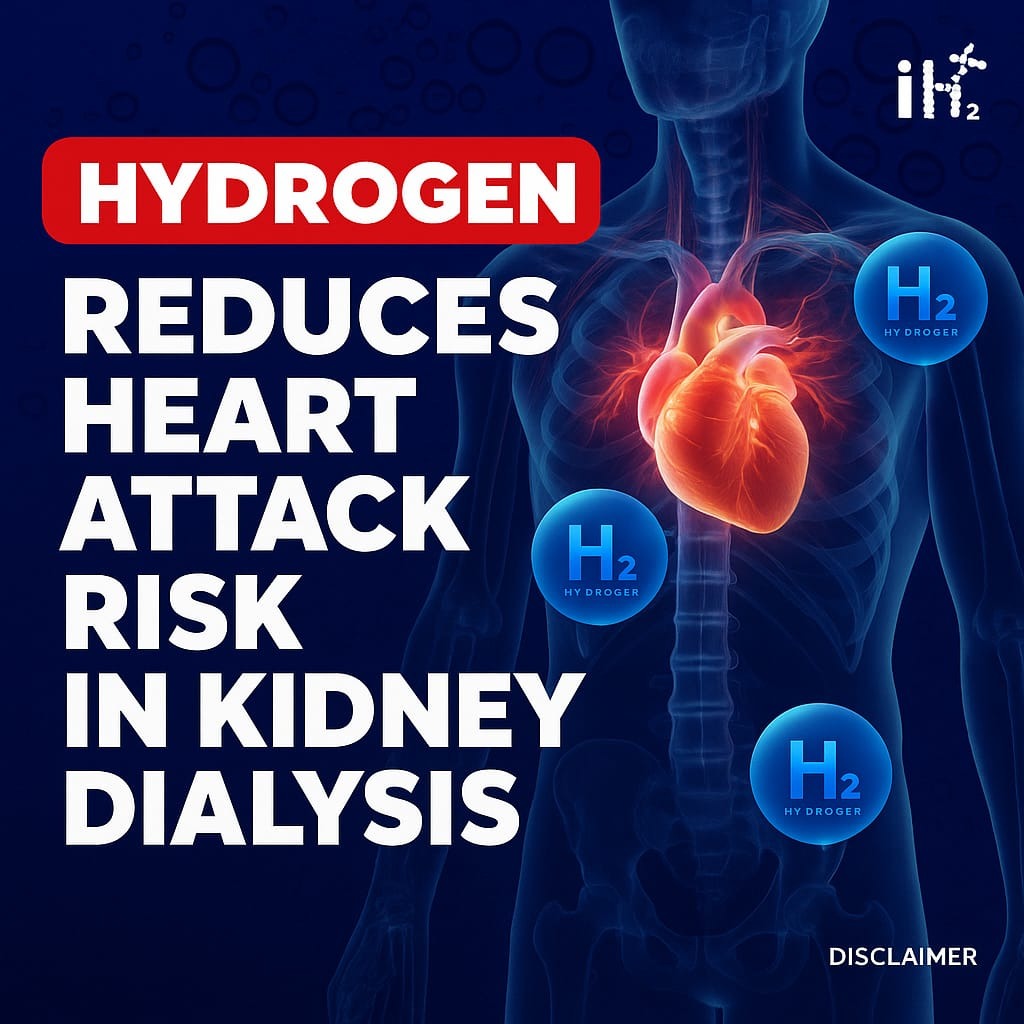
Kidney dialysis is a life-saving treatment, but it comes with a dangerous side effect: a significantly increased risk of heart attack and cardiovascular disease. For years, the reason was unclear, but groundbreaking research has uncovered the cause and a promising solution using hydrogen-rich water.
The Hidden Danger of Dialysis
While dialysis effectively filters toxins from the blood, it has a major drawback. The process itself disrupts the body's natural antioxidant defenses, washing out crucial enzymes and disturbing the immune system.
This imbalance leads to a surge in harmful Reactive Oxygen Species (ROS)—specifically Hypochlorite (HOCl) and Hydrogen Peroxide (H₂O₂). These ROS molecules cause oxidative stress, damaging blood vessels, promoting inflammation, and accelerating atherosclerosis (hardening of the arteries), which ultimately increases the risk of a heart attack.
- What Hemodialysis Does: It effectively removes toxins and waste products (like urea and creatinine) from the blood of patients with End-Stage Renal Disease (ESRD).
- The Unintended Consequence: The dialysis process itself is 'bio-incompatible.' It activates white blood cells (leukocytes) as they interact with the artificial dialysis membrane. This activation triggers a burst of Reactive Oxygen Species (ROS), specifically hydrogen peroxide (H₂O₂) and hypochlorite (HOCl).
- The Resulting Damage: This surge in ROS creates oxidative stress, which:
- Overwhelms the body's natural antioxidant defenses (as you noted, important enzymes can be depleted).
- Oxidizes crucial macromolecules like lipids (fats) and proteins.
- Leads to the formation of oxidized LDL cholesterol, which is a key driver of atherosclerosis (hardening of the arteries).
- Increases inflammation, measured by markers like C-reactive protein (CRP) and Interleukin-6 (IL-6).
The Ultimate Risk: This combination of increased oxidative stress and chronic inflammation significantly raises the risk of cardiovascular diseases, including heart attacks, in dialysis patients.
Hydrogen Water: The Protective Shield
A clinical study published in Kidney International investigated whether electrolyzed reduced water (hydrogen-rich water) could combat this effect. Researchers provided end-stage renal disease patients with hydrogen-rich water during their dialysis sessions over a period of one month.
The study compared dialysis sessions with and without HRW Hydrogen rich water over a one-month period.
- Reduction in ROS: The study confirmed that HRW Hydrogen rich water has direct scavenging activity against H₂O₂ and HOCl. After one month of HRW Hydrogen rich water treatment, the post-dialysis levels of these ROS were significantly reduced (by approximately 20-30%, aligning with your observation).
- Reduction in Oxidative Damage:
- Levels of phosphatidylcholine hydroperoxide (PCOOH), a primary marker of lipid oxidation, were dramatically lower after dialysis with HRW Hydrogen rich water.
- Markers of protein oxidation (methyl guanidine and dityrosine) were also reduced.
- Improved Antioxidant Defense: The plasma's Total Antioxidant Status (TAS), which is lowered by regular dialysis, was partially restored with HRW hydrogen water treatment.
- Reduced Inflammation: Levels of inflammatory markers (CRP and IL-6) were effectively lowered in patients receiving HRW Hydrogen rich water.
Conclusion
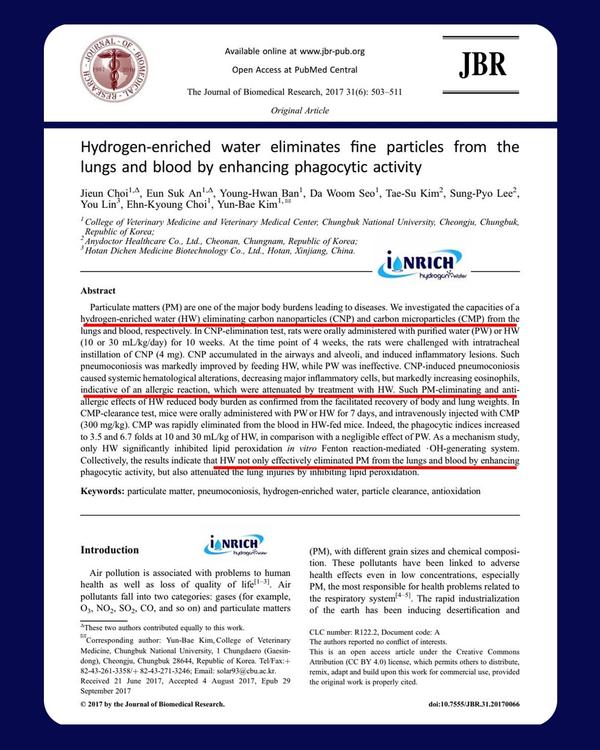
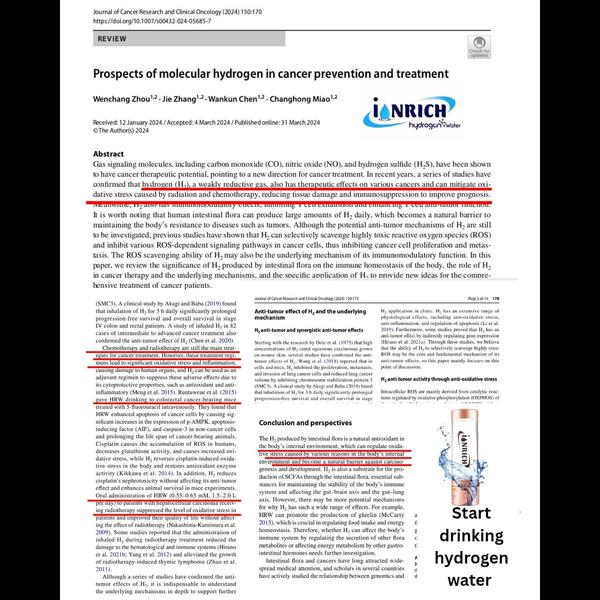
By neutralizing the specific oxidative stress caused by dialysis, hydrogen water acts as a protective shield for the cardiovascular system. This simple addition to dialysis treatment helps reduce the underlying risk of heart attacks in kidney patients, offering a new layer of safety and improved long-term health outcomes.
WATCH VIDEO
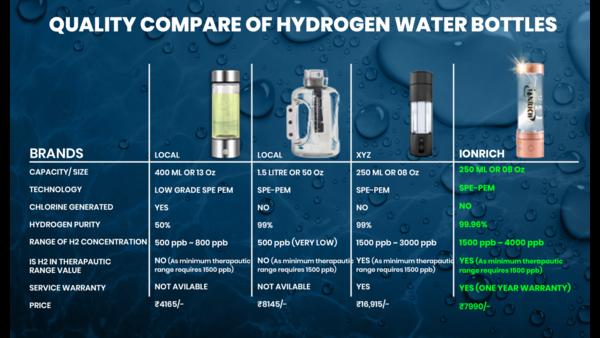
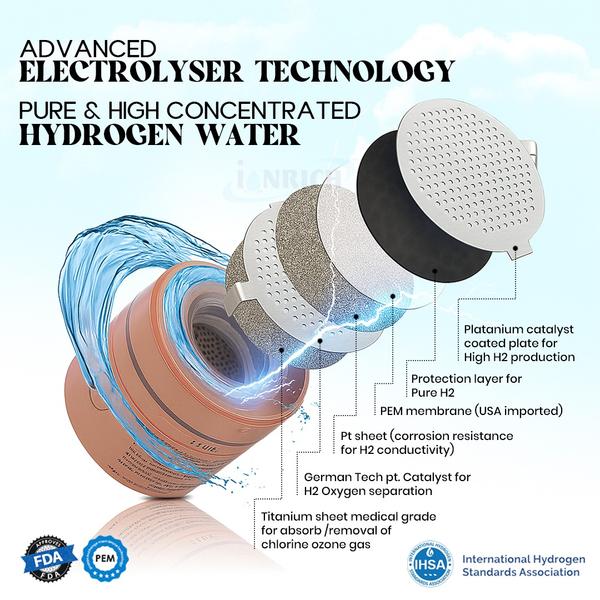
THREE FACTS BEFORE BUY BEST HYDROGEN WATER BOTTLE
AMAZON LINK TO BUY INDIA BEST RATED HYDROGEN WATER BOTTLE
Hydrogen water kidney
Hydrogen water for kidneys
Hydrogen water kidney disease
Hydrogen water dialysis
Kidney dialysis oxidative stress
Benefits of hydrogen water for kidneys